


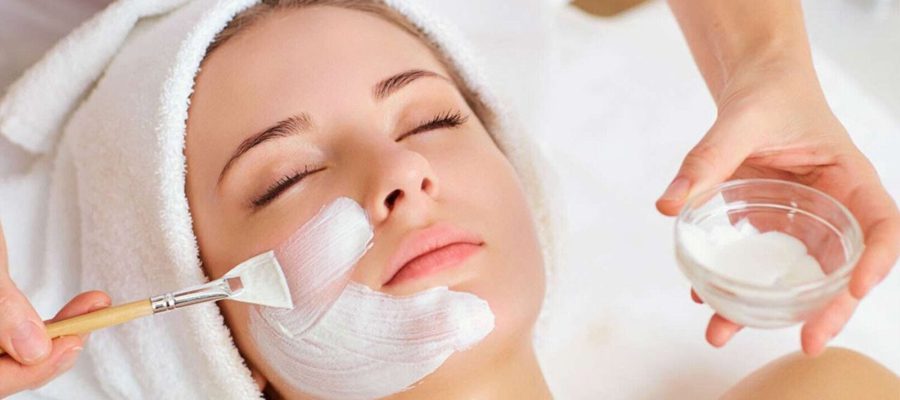
What is Skin Care?
Skin care is the totality of applications performed to protect the health of the skin, reduce the effects of aging and achieve a more vibrant appearance. The skin is one of our most vulnerable organs against external factors and requires regular care as it is in a constant renewal process. Daily care routines and professional applications can protect skin health and prevent various skin problems. When the right skin care products and methods are used, the skin becomes both brighter and healthier. In addition, regular care strengthens the skin barrier, maintains moisture balance and delays signs of premature aging.
How Do We Do Skin Care?
The first step in skin care is to correctly determine your skin type. Choosing care products according to your oily, dry, combination or sensitive skin type ensures that your skin stays healthy. Skin cleansing is the most basic step in care and you should cleanse your skin regularly with a suitable cleanser in the morning and evening. Then, using toner tightens your pores while serums provide extra care for your skin’s needs. Moisturizing is an indispensable part of skin care and a suitable moisturizer should be chosen for each skin type. Sunscreen protects your skin from harmful UV rays and delays signs of aging. Weekly peeling and mask applications also help your skin gain a brighter and healthier appearance by removing dead cells.
Why Is Skin Care So Important?
Skin care is very important to achieve a healthy appearance and prevent skin problems. Skin is exposed to environmental factors throughout the day and factors such as dirt, dust, sun rays and stress can cause skin wear. If regular care is not provided, the skin can dry out, acne and blemishes can occur, and over time, it can lose elasticity and cause early signs of wrinkles. The main purpose of skin care is to maintain the skin’s natural balance, balance its moisture level and minimize the signs of aging. At the same time, healthy skin makes a person feel better and increases their self-confidence. Neglecting skin care can lead to more dermatological problems in later ages.
How Do I Know If My Skin Needs Care?
There are a few important signs to understand if your skin needs care. If your skin is frequently dry, flaky or feels tight, it may be dehydrated and require regular moisturizing. If your skin structure is dull and lifeless instead of bright and healthy, your skin renewal process may have slowed down. If you have frequent acne or blackhead problems, your skin may not be cleansed well enough or the products used may not be suitable for your skin type. At the same time, early signs of wrinkles and loss of elasticity are also indicators that your skin needs extra care. If your pores are visible and your skin starts to become oily, regular purifying masks and peeling applications may be necessary. Regularly observing the general condition of your skin will help you understand what kind of care it needs.
Skin Care According to Age
Age plays an important role in skin care because the needs of the skin are different at every age. In the 20s, basic care is sufficient as the skin is generally younger and more elastic. In this age group, regular cleansing, moisturizing and sunscreen use help maintain skin health. In the 30s, the first signs of aging may appear on the skin and products such as antioxidant serums and eye creams should become part of routine care. In the 40s, the skin may begin to lose its elasticity, so it is important to use collagen-supporting products and more intensive moisturizers. In the 50s and beyond, since the skin barrier may weaken further, supportive care should be done with products such as hyaluronic acid, retinol and intensive nourishing creams. Applying age-appropriate care ensures that the skin looks healthy and young in the long term.
Benefits of Skin Care
Skin care is of great importance not only for an aesthetic appearance but also for maintaining a healthy skin structure. Regular skin care prevents problems such as dryness and oiliness by preserving the moisture balance of the skin. It also strengthens the skin barrier and makes it more resistant to external factors. Clean and moist skin that is free of dead skin looks brighter and healthier. Regular skin care prevents skin problems by reducing the formation of acne, blackheads and blemishes. It delays the signs of aging and minimizes wrinkles and loss of elasticity. In addition, well-groomed skin allows makeup to sit better and highlights your natural beauty. Healthy skin increases a person’s self-confidence and makes them feel better.
Skin Care Steps
One of the most important stages of skin care is cleansing. During the day, the skin can be filled with dirt, oil and makeup residue, so it is necessary to wash the skin with a suitable cleanser in the morning and evening. The second stage is tonic application; tonic prepares the skin for the next care stage by tightening the pores. Serums provide intensive care according to the needs of the skin, providing moisturizing, removing stains or anti-aging effects. The moisturizing stage is necessary for every skin type, because if the skin does not receive enough moisture, it can dry out and become sensitive. Using sunscreen protects the skin from harmful UV rays and delays the signs of aging. Peeling and mask applications should be done weekly, thus the skin should be cleaned of dead cells and its renewal should be supported. When these stages are applied regularly, the skin gains a healthy and bright appearance.
How Should Skin Care Be?
Skin care should be done with a personalized routine because each skin type is different and has different needs. Light formula, oil-free products should be preferred for oily skin, otherwise pores may become clogged and acne may occur. Dry skin needs more intense moisturizing ingredients. Regional care can give the best results for combination skin. For sensitive skin, products that are fragrance-free, alcohol-free and will not irritate the skin should be chosen. Cleansing, moisturizing and sunscreen use should be at the forefront of morning skin care. In night care, it is useful to support the skin with repairing serums, moisture masks or anti-aging products. In addition, healthy nutrition and sufficient water consumption should be considered as a part of skin care. When a regular and correct skin care routine is established, the skin will look healthier, smoother and more vibrant in the long run.
Who Should Get Professional Skin Care?
Professional skin care is applied to better protect skin health and treat conditions that require special care. People with skin problems may need professional care, especially due to conditions such as acne, blemishes, excessive dryness or sensitivity. People with signs of aging can have regular professional care to increase skin elasticity and prevent wrinkles. People with sunspots, hyperpigmentation or discoloration on their skin can also benefit from professional skin care. In addition, those who want to achieve a brighter and healthier skin appearance before weddings, special days or important events can also apply for professional skin care. Since professional care is performed with special products and devices suitable for the skin type, it provides a more profound effect compared to home care. However, it should not be forgotten that every professional care should be supported by a regular personal care routine.
What is the Benefit of Professional Skin Care?
Professional skin care includes special care applications to protect skin health and delay the signs of aging. Skin can wear out over time due to environmental factors, stress, incorrect product use, and aging. Professional skin care prevents such problems and makes the skin look healthier, brighter, and younger. Deep cleaning, peeling, moisturizing, and skin renewal applications open pores, allow the skin to breathe better, and accelerate blood circulation. In addition, treatments using products and devices specific to the skin type can be much more effective than skin care routines done at home. Regular professional care reduces problems such as acne, blackheads, skin spots, and wrinkles, and increases the skin’s elasticity. In short, professional skin care is an important investment that keeps the skin young and healthy for longer.
Can Wrinkles Be Treated with Skin Care?
Skin care can delay the formation of wrinkles and reduce the appearance of light wrinkles, but it does not completely eliminate them. The aging process is a natural process and over time the skin loses its elasticity, fine lines and wrinkles become more pronounced. However, with regular skin care, the skin can become more moist, full and firm, which helps wrinkles appear less pronounced. In particular, treatments containing hyaluronic acid, retinol and collagen-supporting products accelerate skin renewal and contribute to the reduction of wrinkles. In addition, chemical peeling, microdermabrasion and skin rejuvenation devices, which are among the professional applications, are also very effective in reducing the appearance of wrinkles. However, medical aesthetic applications or dermatological treatments may be required to completely eliminate deep wrinkles. Regular skin care and using the right products are one of the best methods to prevent wrinkles from forming early.
Aftercare Tips
There are some important points to consider after skin care. First of all, it is necessary to keep the skin as clean and moist as possible after a professional skin care. Since the skin may become more sensitive after the care, heavy make-up and products containing harsh chemicals should be avoided. The use of sunscreen is especially important, because freshly cleansed and cared for skin may be more vulnerable to sunlight. After the care, it is necessary to avoid applications that can tire the skin, such as taking a shower with extremely hot water, sauna or steam bath, for at least 24 hours. In order to get the best results from skin care, you should not disrupt your daily skin care routine and support your skin with moisturizing and nourishing creams. In addition, drinking plenty of water and eating a healthy diet will help you maintain the effects of skin care for a longer period of time.
Skin Care Prices 2025
In 2025, skin care prices may vary depending on the type of procedure applied, the quality of the products used, and the location of the center where the care is performed. In general, the price of a standard professional skin care can range from 1000 TL to 5000 TL. While basic skin care that includes deep cleaning, moisturizing, and mask applications are more affordable, chemical peeling, anti-aging treatments, or special treatments performed with medical devices may have higher costs. Advanced skin care performed in luxury clinics or by dermatologists can reach prices of 10,000 TL and above. In addition, some centers may offer package prices for regular treatments, making the costs more affordable. When investing in skin care, you should consider not only the price, but also the content of the products used, the experience of the experts who will perform the application, and the hygiene conditions of the center. Affordable but unconsciously performed procedures can have negative consequences for skin health. Therefore, choosing the most appropriate care for your budget and skin type will be the best approach.