


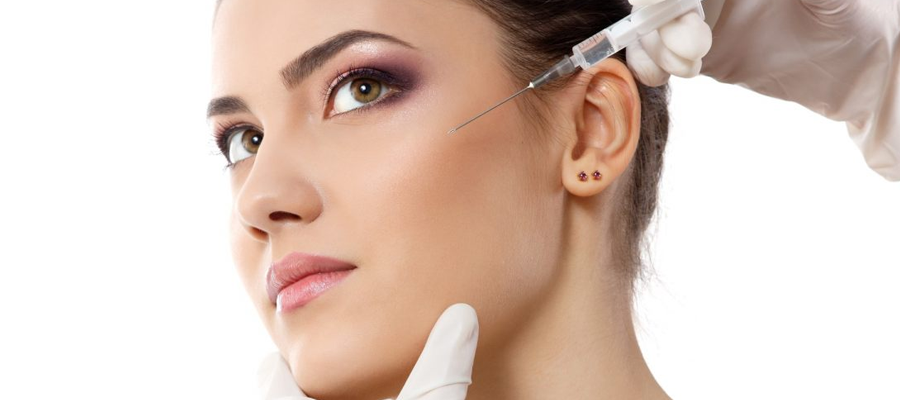
What is Botox?
It is one of the methods frequently used by modern medicine in both aesthetic and treatment fields. It is actually a type of protein and is purified in a laboratory environment and brought into a form that can be used for treatment purposes in low doses. This substance helps to temporarily stop the signals transmitted from the nerve endings to the muscles.
By reducing muscle movement in the applied area, it contributes to the removal of wrinkles and helps control some health problems. The application period is short and the effect is quite long-lasting. For this reason, it has reached a wide range of users thanks to its practicality and success.
For What Purposes Is Botox Used?
Although it was first recognized in aesthetic fields, it has found its place in many different areas of medicine over time. It is preferred to soften facial expression wrinkles, reduce forehead lines and eliminate crow’s feet around the eyes. However, its area of use is not limited to aesthetics alone.
It is also effective in many medical conditions such as controlling muscle spasms, teeth grinding problems, neck muscle problems and relieving migraine attacks. It is also widely used in solving problems that make daily life difficult, such as excessive sweating. This wide range of use makes the method important in terms of both aesthetics and health.
Use of Botox in Migraine Treatment
It draws attention as one of the methods applied to individuals suffering from chronic headaches. This method can provide effective relief especially for individuals who experience migraine attacks more than 15 days a month. The application is carried out by injecting certain muscle groups in the head and neck region.
After the application, the activity of the nerve endings decreases, which reduces the frequency and intensity of pain. When repeated regularly, a significant reduction in the duration and intensity of attacks can be achieved. This treatment is a valuable alternative for patients who do not want to use medication or who do not get enough benefit from medication.
Botox for Excessive Sweating (Hyperhidrosis)
This condition, which directly affects daily life and creates difficulties in many areas from clothing choices to social relationships, can be seen in different areas. It is especially felt intensely in the armpits, palms and soles of the feet.
Sweating can be largely controlled by the application that temporarily stops the nerve transmission to the sweat glands. The process is performed locally and is completed in a short time. The effects begin to be seen within a few days and provide relief that lasts for months.
How Does Botox Affect the Skin?
The lines that form over time due to the movement of the facial muscles deepen and become permanent with the repetition of facial expressions. This process causes the most visible signs of aging, wrinkles, to appear. After the application, the movement of the muscles is limited and the lines on the skin surface begin to soften.
Over time, a younger, more rested and smoother appearance is created. The skin has the opportunity to recover as muscle movements decrease. This not only helps to reduce existing wrinkles, but also helps to prevent new ones from forming. With this effect, the person appears more vibrant and healthy.
In Which Regions Is It Most Effective?
The face area is one of the most intensively used areas. Forehead lines, brow lines and crow’s feet around the eyes are the most frequently treated areas. Since these areas are where facial movements are used the most, they are the areas where distinct lines form over time.
Apart from this, it can also be applied to more local areas such as the nose, upper lip lines and chin area. Effective results can be achieved even in areas other than the face such as the neck and décolleté. The application area is determined according to the needs and expectations of the person.
How to Apply Botox? Step by Step Botox Process
First, a detailed facial analysis is performed. It is determined which areas need to be treated and to what extent. This stage is very important to achieve a natural result. Then, the skin is cleaned and the area to be treated is marked.
With the help of fine-tipped needles, injections are made into the designated points. The entire procedure is completed in approximately 10-15 minutes. Pain is minimal and most people do not need any anesthesia. There may be slight redness or needle marks after the application, but these effects usually disappear within a few hours.
Daily life can be resumed immediately. The full effects usually occur within 3 to 7 days. The results last for 4 to 6 months. At the end of this period, the process can be repeated if desired to maintain the effect.
A Natural Look, A Renewed You
A younger and more dynamic look free of wrinkles is no longer a dream. If you want to feel better by trying this simple but effective method, it is time to get expert support. Take action now to get one step closer to innovation!
How Long Does the Effect of Botox Last?
Visible effects begin to appear within a few days after application. This effect, which usually reaches its maximum level between 7 and 10 days, lasts for 4 to 6 months, although it varies from person to person. During this period, muscle movement decreases and the skin gains a smoother appearance.
Over time, the body naturally metabolizes the injected substance and the muscles regain their former function. During this process, facial movements gradually return to normal. People who want the effect to continue can make the results permanent by repeating the application at certain intervals. With regular use, the speed of formation of lines also slows down significantly.
At what age can Botox be done?
Although the age at which wrinkles begin to become apparent varies from person to person, the application can generally be started at age 25 and later. From this age on, fine lines begin to form on the skin due to the use of facial expressions. Procedures performed at an early stage allow these lines to be lightened before they settle.
In older ages, it is applied to reduce the appearance of existing wrinkles and give the skin a more youthful expression. Although there is no clear age limit, it is a safe option for anyone with a suitable medical history. The important thing is to make a plan that is appropriate for the skin structure and needs with an expert evaluation.
What is the Difference Between Botox and Fillers?
Although both procedures are frequently preferred among aesthetic applications, their mechanisms of action and purposes of use are different. While one reduces wrinkles by temporarily stopping muscle movements, the other replaces losses by adding volume under the skin.
Filling applications are generally preferred to define facial features, plump lips or eliminate volume deficiencies in areas such as cheeks and chin. When these methods are used together, it is possible to achieve a much more balanced and youthful appearance. However, since each individual’s needs are different, the decision on which application is appropriate should be made with expert guidance.
What are the Side Effects and Risks of Botox Application?
As with any medical intervention, some mild side effects may be seen in this procedure. Temporary redness, slight swelling or bruising may occur in the area where the procedure is performed. These effects usually disappear on their own in a short time. You can return to your daily life immediately after the procedure.
In rare cases, asymmetrical facial movements, temporary headaches or mild sensitivity in the injection area may be experienced. All of these effects are temporary, and risks are minimized with the right technique and an expert practitioner. Getting detailed counseling before the procedure is very important for both a safe and successful result.
What Should Be Considered Before Getting Botox?
Before making a decision, the experience and competence of the specialist who will perform the application should definitely be investigated. It should not be forgotten that the procedure is a medical intervention and should only be performed in clinics approved by the Ministry of Health. Applications that are not performed in a sterile environment may lead to undesirable results.
Before the procedure, blood thinners, supplements or herbal products should be temporarily stopped. This will reduce the risk of bruising after the procedure. In addition, intense exercise should be avoided on the day of the procedure, and the skin should be clean and free of make-up.
All these preliminary preparations increase the success of the procedure and provide a more comfortable recovery process. Sharing expectations clearly during counseling helps create the most accurate implementation plan.
Who Cannot Get Botox?
Some special conditions may affect the eligibility criteria for the procedure. Individuals who are pregnant or breastfeeding should avoid the procedure during this period. Similarly, it is not recommended for people with neuromuscular diseases or those who have had allergic reactions in the past.
It is not appropriate to perform the procedure on areas where there is infection on the skin. In addition, caution should be exercised in individuals with bleeding disorders. The preliminary evaluation process is extremely important as each individual’s health history is different. At this stage, detailed information sharing plays a key role in a safe and effective application.
When Does the Effect of Botox Begin?
After the procedure is completed, the first effects usually start to show within a few days. The maximum result usually occurs within 7 to 10 days. The lines on the skin surface gradually soften, the facial expression becomes more rested and youthful.
The resulting appearance is natural and compatible with facial expressions. While it may take a little longer for the effects to appear after the first application, this period may be shorter with regular re-applications. Having clear expectations and being patient is important in order to be satisfied with the results.
Botox Prices 2025
Current prices vary depending on the number of areas to be treated, the specialist who will perform the procedure, the amount of dose used and the location of the clinic. In addition, there may be a price difference between procedures performed for therapeutic or aesthetic purposes. Therefore, instead of giving a net figure, the most accurate approach is to make a personalized assessment.
As of 2025, some clinics may offer special advantageous prices for campaigns and combined applications. Therefore, it would be useful to meet with several centers and get detailed information before having the procedure. It is necessary to prioritize quality and reliability without being fooled by cheap prices.
Does Botox Beautify the Skin?
This application, which makes the facial expression look softer and more rested, reduces the expression lines that form over time and gives the skin a smoother appearance. By limiting muscle movements, the skin wrinkles less and existing lines lose their clarity.
This improvement in aesthetic appearance also helps the person feel better. In addition, the face looks healthier and brighter as a skin structure that reflects light more homogeneously is formed. Positive effects on skin texture can be observed with regular applications, which supports the general perception of beauty.
How Many Years Younger Does Botox Make You Look?
It is possible to achieve a younger look in terms of age, as it makes the expression on the face more lively and vigorous. It creates an effect of being a few years younger, thanks to the reduction of wrinkles, the elimination of the tired appearance on the skin and the clearer facial features.
On average, it is possible to give the impression of being 5 to 10 years younger. Of course, this effect may vary from person to person, depending on skin structure and the areas where the application is made. When done with the right technique, naturalness is not compromised, facial expressions do not become dull; on the contrary, a fresher appearance is achieved.
Do Wrinkles Increase After Botox?
Although there are some misconceptions after the application, when done correctly it does not cause wrinkles to increase. On the contrary, by temporarily deactivating the muscles, facial movements are reduced and the skin has the opportunity to recover. This delays the formation of wrinkles.
When the effect starts to fade, the face returns to its previous state. However, no more wrinkles suddenly appear. The person simply regains their previous appearance as their old facial expression habits return. Cessation of the application does not make the skin worse, it just wears off and over time the natural aging process continues where it left off.
At What Age Should Botox Be Performed, According to an Expert’s Recommendation?
The healthiest approach is to make a decision based on need, not age. Some people may develop visible lines even at an early age due to their intense use of facial expressions. In such cases, a preventive application can be made around the age of 25.
At older ages, it is preferred to reduce the appearance of existing lines. The most important thing is that the procedure is evaluated by a specialist physician and a personalized plan is made. In this way, a natural appearance is preserved and effective results are obtained.
How Many Months Does the First Botox Last?
The permanence of the application may vary depending on personal factors. In people who have the procedure for the first time, the effects usually last between 3 and 4 months. The body’s recognition of the substance and its reactions to it are the most important factors affecting the length of time.
The effect period may be extended with repeated applications over time. Because the muscles get used to repeated interventions and work less. This slows down the formation of wrinkles and provides longer-lasting smoothness. Although the permanence is a little shorter in the first experience, this period increases steadily with regular application.
How Many Minutes Does the Botox Procedure Take?
It is a very practical application and is usually completed in 10 to 20 minutes. Therefore, even people with a busy schedule can easily have it done in short periods of time such as lunch breaks. The preparation time before the procedure is also very short.
The duration may vary depending on the targeted areas. For example, a procedure limited to the forehead area can be completed in a much shorter time, while applications to multiple areas such as the forehead, between the eyebrows and around the eyes may take a few minutes longer. However, it is generally a quick, easy and non-disruptive procedure.
How Many Times Can Botox Be Applied?
Although there is no upper limit, it is a safe method when applied at regular intervals. It is generally recommended to do it 2 to 3 times a year. Intermittent applications both maintain the effect and prevent excessive weakening of the muscles.
Even in people who have had the procedure done for many years, no structural deterioration occurs. However, it should definitely be applied under expert control and with personalized doses. Preserving natural facial expressions and avoiding excessive intervention increases the satisfaction from the procedure.
Does Facial Expression Lose When You Get Botox?
When done with the right technique and dosage, facial expressions are preserved and the expression does not become dull. The problem usually occurs when too much is applied or applied to the wrong points. In such cases, the facial expression may look artificial or confused.
The correct application preserves the natural movements on the face and only softens the lines. In other words, the person can still raise their eyebrows, laugh or frown. However, these movements are more controlled and do not cause wrinkles on the skin surface. Therefore, the procedure must be performed by a professional who is an expert in the field.
What Should Not Be Done After Botox Application?
In the first 24 hours, it is necessary to avoid certain habits. Lying face down, doing heavy sports, entering extremely hot environments such as saunas or steam baths are not recommended. Such activities may cause the substance to shift.
In addition, massaging, rubbing or pressing the injection areas should be avoided. Waiting a few hours before applying make-up is safer for skin health. When the specified rules are followed, the effect will last longer and unwanted situations will be prevented.