


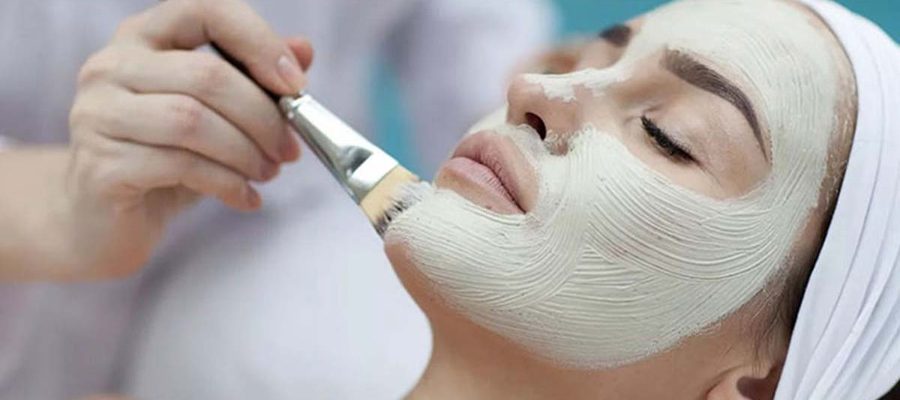
What is Medical Skin Care?
It is a care process planned specifically for the needs of the skin, applied with professional devices and dermatological products. It is not limited to superficial cleaning, but supports cell renewal by affecting the subcutaneous tissue. It is performed by experts in aesthetic centers or dermatology clinics.
It is applied to deeply cleanse the pores, strengthen the skin barrier and achieve a healthy appearance. The skin, which is cleansed of dirt, oil and dead cells that accumulate over time, gains a brighter and more vibrant appearance. When done at regular intervals, it also helps to maintain the general health of the skin.a
What Skin Types Is Medical Skin Care Suitable For?
It is a process that can be planned specifically for each skin type. It can be applied using different techniques and ingredients on oily, dry, combination, sensitive or acne-prone skin. The care stages are shaped accordingly, taking into account the person’s skin structure and needs.
In combination skin, excess oil in the T-zone can be controlled while moisture support can be provided to dry areas. In sensitive skin, gentle ingredients are preferred to prevent redness and irritation. Therefore, skin analysis before application is the most important step that increases the success of the procedure.
What is the Difference Between Medical Skin Care and Classic Skin Care?
Classical skin care treatments done with traditional methods are usually limited to superficial cleaning. It basically includes steps such as steam, mask and moisturizer. It has a more relaxing and purifying effect.
The medical one is supported by dermatological knowledge and is performed with advanced technology devices. Skin renewal is supported with applications such as serums that penetrate the lower layers of the skin, vacuum system, enzyme peeling. Since it has therapeutic properties, it is preferred not only for care but also for healing purposes.
For Which Problems Is Medical Skin Care Effective?
It provides effective results on many different problems such as pore problems, blackheads, acne formation, blemish appearance, dullness and moisture loss. It also helps to lighten fine lines on the skin, equalize skin tone and prevent loss of elasticity.
Especially when done regularly, the skin renewal process accelerates, collagen production increases and a healthier appearance is achieved in general. It is also an effective care method preferred to repair damage caused by intense stress, air pollution or makeup residues.
How Often Should Medical Skin Care Be Done?
Frequency may vary depending on skin type, age and seasonal factors. It is generally recommended to do it regularly once a month. It can be applied more frequently, especially in the early stages, for people with intense skin problems.
After the process that was started for therapeutic purposes is completed, it can be continued at longer intervals for the continuation of care. The important thing is to plan according to the needs of the skin with the help of an expert. Regular care supports the renewal cycle in the skin and helps to maintain a healthy appearance.
What Kind of Changes Occur in the Skin After Medical Skin Care?
Even after the first application, the skin feels lively and radiant. Pores are visibly purified, blackheads are reduced and skin tone becomes more even. At the same time, moisture levels increase, making the skin look fuller and healthier.
Some skin types may experience slight redness or temporary sensitivity. These effects usually disappear within a few hours. After the treatment, the skin absorbs the products better and becomes more resistant to external factors. Over time, positive changes such as increased elasticity and a reduction in fine lines can be observed.
How Many Sessions of Medical Skin Care Should Be Applied?
The number of sessions varies from person to person depending on the need. Regular applications once a month to support and protect the skin are sufficient for ideal skin health. However, for special skin problems such as acne, blemishes, acne scars or excessive dryness, 4 to 6 session treatments can be planned.
Sessions are usually arranged at weekly or biweekly intervals. Once the treatment process is completed, it is sufficient to continue at less frequent intervals for preventive purposes. The most accurate number is determined after analysis by the specialist.
How Long Does the Medical Skin Care Process Take?
The average duration varies between 45 minutes and 1 hour. This period may be shorter or longer depending on the number of application steps, the needs of the skin and the devices used. Deep cleaning, peeling, vacuum, serum applications and mask steps form the basis of the process.
In cases where the skin needs a special preparation process or when combined procedures are performed, the duration can be up to 75 minutes. This application, which can be easily allocated time within the daily busy tempo, is quite practical as it provides effective results in a short time.
Medical Skin Care Prices 2025
The price of the application may vary depending on many factors such as the quality of the products used, the content of the care, the experience of the specialist performing the procedure, and the city where the clinic is located. In addition, the devices used during the application, the duration of the treatment, and the number of sessions also determine the cost.
As of 2025, medical skin care prices have shown a gradual increase compared to previous years on average. While some clinics offer single session fees, others may provide more economical solutions in multiple packages. A preliminary consultation is recommended for the most accurate price information.
Is Medical Skin Care Effective for Acne and Blackheads?
This process provides very successful results especially for acne-prone skin as it provides deep cleansing of the skin. Oil, dirt and bacteria inside the pores are cleaned, which helps prevent the formation of blackheads.
The sebum balance that triggers acne formation is brought under control. At the same time, the skin is allowed to breathe and the renewal process is supported. With regular applications, both active acne and scars can fade over time. For this reason, it is recommended that medical care be performed regularly, especially on problematic skin.
What Should Your Skin Care Routine Be After Medical Skin Care?
After the procedure, the skin may become more sensitive to external factors. During this period, gentle cleansers, soothing moisturizers and sunscreens should be used. Products that contain acids, have a peeling effect or may irritate the skin should be avoided for at least 2-3 days.
It would be beneficial to include products that will nourish the skin and strengthen its barrier in your morning and evening routines. Drinking plenty of water and eating healthy also have positive effects on skin health. A personal routine created with products recommended by a skin care specialist increases the permanence of the results obtained.
Is Medical Skin Care a Painful Procedure?
The procedure is extremely comfortable. There is usually no pain or serious discomfort during the procedure. A slight tickling, pulling or cooling sensation may occur, but this is quite tolerable.
Depending on the skin type and the method applied, a very slight sensitivity may be felt in some areas, but this is temporary. If necessary, calming serums or cold compresses can be applied to the skin surface. Being a mild procedure that will not affect daily life allows this care to be preferred regularly.
When Can I Wear Makeup After Medical Skin Care?
Immediately after the procedure, the skin should be allowed to breathe and renew itself. Therefore, it is recommended not to wear make-up for at least 12 to 24 hours. The skin becomes more open and receptive after the application; during this period, make-up products can clog the pores.
After the required time has passed, makeup can be applied, but it is healthier to prefer light and mineral-based products in the first applications. In addition, skin cleaning should be done more carefully after makeup. In this way, the cleaning effect provided after the procedure is preserved.
Is Pore Tightening Pore Possible with Medical Skin Care?
Enlarged pores on the skin surface usually become more visible due to excess oil production, genetic predisposition or the aging process. This appearance can be greatly alleviated with regular professional skin care. Cleansed pores, with the active ingredients and moisture support applied, take on a tighter form over time.
Applications that support collagen production under the skin contribute to the recovery of the tissue around the pores. Especially vacuum technologies, special serums and peeling procedures can make a significant difference in the appearance of the pores. A smoother and tighter skin structure can be achieved with regular care.
At what age can medical skin care be done?
The age limit may vary depending on the needs of the skin. It can be used as a supportive method against problems such as oiliness, blackheads and acne that occur on the skin starting from puberty. On average, it is appropriate to have it done under expert supervision from the age of 16.
While oil balance is provided at a young age, skin renewal and moisture support come to the fore in later ages. Since the content of this care is planned according to the person’s age and skin problems, it serves different purposes at every age. In this respect, it offers both a preventive and therapeutic care routine.
Is Medical Skin Care Also Suitable for Men?
Skin care is not an application that is only for women. Since men’s skin is generally thicker and has more oil production, pore, blackhead and acne problems are common. This shows how necessary professional skin care is for men.
The application is carried out with products and techniques suitable for men’s skin structure. Ingrown hairs, post-shaving sensitivities or oiliness problems, especially in the beard area, can be controlled with medical care. Regular care helps men’s skin to have a healthier and more balanced appearance.
Can Medical Skin Care Even Out Skin Tone?
Over time, factors such as sun, stress, environmental factors and incorrect product use can cause skin tone imbalances. Thanks to professional applications, dead cells on the skin surface are cleaned and pigment distribution is balanced thanks to active ingredients that affect the skin.
At the end of this process, a brighter, more homogeneous and healthier skin tone is achieved. The risk of blemish formation is reduced and the skin regains its natural glow. When procedures aimed at equalizing tone are applied regularly, a more vibrant and balanced skin appearance can become permanent.
Who Should Apply Medical Skin Care?
In order for this process to be effective and safe, it must be done by experts in the field. Professionals who know the skin structure well and know how each product works on which skin type plan the process specifically for the person. The devices and products used during the application can damage the skin if used in the wrong hands.
It is recommended that it be applied by dermatologists, medical aestheticians or certified skin care specialists. Especially for individuals with active acne, sensitivity or skin disorders, skin analysis before the procedure and determining the correct protocol are of great importance for successful results.
What Should You Pay Attention to After Medical Skin Care?
After the procedure, the skin becomes temporarily more sensitive. Protecting the skin during this process increases the efficiency of the procedure. It is important not to wash the face, not to use peeling or harsh products, and not to go out into direct sunlight in the first 24 hours. Sunscreen use should not be skipped during this process.
Gentle, fragrance-free products should be preferred to cleanse the skin. Similarly, avoiding make-up for at least a day will prevent the pores from closing. When the recommended moisturizers and serums are used regularly after the application, the skin recovers faster and the permanence of the process increases.
What are the comments of those who have had medical skin care?
The majority of those who experience this procedure say that their skin feels brighter, softer and cleaner in a short time. From the first session onwards, shrinkage of pores, reduction of blackheads and balancing of skin tone are among the frequently mentioned effects.
Those with acne-prone skin state that acne formation is under control after regular applications. Those with blemish problems state that their skin gains a brighter appearance, especially after a few sessions. In general, it is emphasized that the results are preserved for a long time when more care is taken for skin care after the procedure.