


What is Migraine Botox?
It is a medical treatment method developed for people struggling with chronic headaches. Known for its aesthetic applications, this method is also used to reduce migraine attacks and relieve the severity of pain. It provides positive results especially in individuals who experience migraine attacks 15 days or more per month.
Thanks to its muscle relaxant effect, when applied to muscle groups where pain begins, it helps prevent pain by blocking the stimulation of nerve endings. It is an alternative and effective solution for patients who do not want to use medication continuously or who do not benefit sufficiently from existing treatments.
Who is Suitable for Migraine Botox?
Individuals who experience chronic headaches that last at least 15 days a month and are associated with migraines for at least 8 days may be candidates for this treatment. It is also successfully applied to individuals who frequently use painkillers and whose quality of life has decreased. It is one of the methods that should be evaluated when it comes to migraine attacks that recur frequently and are resistant to classical treatments.
In special cases such as pregnancy, breastfeeding and some neurological diseases, the procedure may be postponed. The decision of suitability must be made by a neurologist or relevant physician. It is important to obtain a detailed history and make an evaluation before treatment.
How is Migraine Botox Applied?
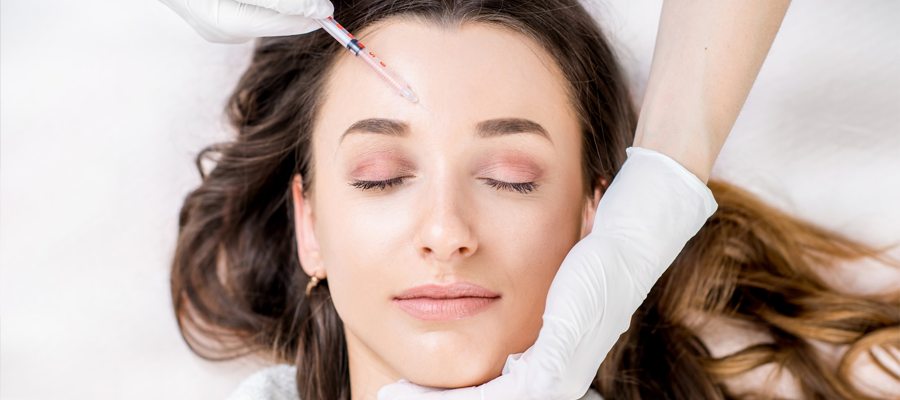
Before the procedure, the specialist determines which areas will be treated. Then, small doses of injections are made into the determined muscle groups. Since very thin needles are used during the procedure, the pain is minimal. It is usually performed without the need for local anesthesia.
The entire procedure is completed in 15-20 minutes and the patient can return to their daily life immediately. The first effects are felt within a few days, but the full effect occurs within 10 to 14 days. The effect of the application lasts for an average of 3 to 6 months. Repeat sessions can be planned as the effect decreases.
Which Areas Can Migraine Botox Be Applied To?
The focus is on muscle groups where headaches are commonly felt. The muscles around the forehead, temples, nape, neck, shoulders and scalp are the most common areas of application. By intervening in the muscles in these areas where the nerves that cause pain pass, muscle contractions are reduced and nerve endings are suppressed.
Which points are included in the treatment may vary depending on the person’s migraine type and the areas where the pain is concentrated. In some patients, specific points such as the area around the jaw and the root of the nose may also be included. A customized treatment plan is created based on the personal pain map.
When Does Migraine Botox Start to Take Effect?
The first effects begin to be felt within a few days after the application. However, it can usually take 10 to 14 days to achieve real relief. During this period, a gradual decrease in the frequency and severity of pain is observed. In some patients, full results may not be achieved in the first application, in which case the desired effect may occur after a few sessions.
It is necessary to be patient as the effects on muscle movement and nerve conduction occur over time. The response to treatment may vary from person to person; therefore, it is important to evaluate this process under the supervision of a specialist.
Is Migraine Botox Permanent? How Long Does It Last?
The effect of the application is not permanent, but long-term comfort can be achieved with regular repetitions. It is a method that usually lasts for 3 to 6 months. When the effect begins to decrease, it needs to be supported with repeat sessions. Over time, with regular applications, the frequency of pain can decrease, and in some patients, attacks can even disappear completely.
Persistence may vary depending on the response of the skin and muscles during the application period, the type of migraine and personal health condition. Regular follow-up throughout the treatment process directly affects the quality of the results.
What are the Side Effects of Migraine Botox?
It is generally considered a safe method. However, although rare, some temporary side effects may occur. Mild swelling, redness or bruising may occur in the areas where the application is made. These effects usually pass in a short time. Very rarely, headache, temporary muscle weakness or tenderness at the injection site may occur.
In applications near the eye area, effects such as temporary eyelid drooping may occur, but these are reversible. The procedure must be performed by experienced specialists. In this way, the risk of possible complications is minimized and the procedure becomes more comfortable.
Differences Between Migraine Botox and Other Migraine Treatments
Other methods are usually drug-based and are aimed at suppressing symptoms after the attack has started. This method draws attention with its preventive effect. It tries to prevent migraine from being triggered by stepping in before the pain occurs. In this respect, it is a preventive treatment method.
While drugs require daily use, this method offers long-term effects with applications made every few months. In terms of side effects, it also has less systemic effects compared to drugs. This provides a great advantage, especially for individuals with stomach sensitivity or liver problems.
Migraine Botox Session Intervals and Application Frequency
Although the duration and repetition interval of the application may vary from person to person, the general application protocol is planned to be repeated every 12 weeks. Especially in the first year, regular sessions can significantly reduce the frequency and severity of migraine attacks.
Depending on the results obtained after the first applications, the doctor may re-evaluate the repetition period in 3-6 months. Over time, as the migraine is brought under control, the session intervals may be extended. The continuity of the treatment is of great importance in terms of the continuity of the comfort achieved. Special planning for each patient provides the most accurate results.
Migraine Botox Prices 2025
Pricing may vary depending on the healthcare institution where the application will be made, the brand of Botox used, the number of areas to be applied, and the physician’s level of expertise. As of 2025, general cost increases in medical applications have been reflected in this area as well.
While some centers offer prices based on a single session, some clinics may offer advantageous options for package programs and long-term application plans. Another detail to consider is the quality of the application and post-procedure follow-up services. The most accurate price information is shared by the specialist after a personal evaluation.
Things to Consider After Migraine Botox
It is possible to return to daily life immediately after the application, but it is recommended to follow some simple rules. The head should not be bent forward for the first 24 hours, heavy exercises and excessive facial movements should be avoided. It is recommended not to rub the treated areas and to keep the head elevated for the first night.
It is also necessary to stay away from blood thinners such as alcohol and aspirin. In addition, the injection area should not be heated and should not be exposed to direct sunlight. Any slight sensitivity or bruising that may occur usually passes in a short time. Following the follow-up process recommended by the doctor increases the success of the treatment.
Migraine Botox Reviews and Patient Experiences
Many people who have tried the application say that they experienced intense and frequent headaches before starting the treatment process. Patients who stated that their quality of life had decreased significantly due to attacks lasting 15 days or more per month, said that there was a significant decrease in the frequency of pain from the first sessions.
Some users report seeing noticeable results immediately after the first application, while others report significant improvement after just a few sessions. Most of those who continue their treatment regularly share that their need for painkillers has decreased and they are living a more comfortable life. The most emphasized points of satisfaction are the practicality of the procedure and the almost complete absence of systemic side effects.
In Which Cases Is Migraine Botox Not Effective?
Correct patient selection is very important for the application to be successful. This method is generally not recommended for episodic, i.e. mild headaches that occur several times a month. In addition, the expected results may not be obtained in people whose migraine diagnosis is not clearly established or whose pain is caused by a different health problem.
Wrong application areas, insufficient doses or procedures performed by non-specialists may also cause ineffectiveness. If a detailed neurological evaluation is not performed before the application, the treatment process may not meet expectations. Therefore, expert evaluation is absolutely necessary before the procedure.
Differences Between Migraine Botox and Aesthetic Botox
Although the same content is used in both applications, there are significant differences in terms of target and technique. While injections made for aesthetic purposes aim to temporarily weaken the facial muscles, the other focuses on the muscles that are the source of pain. In other words, one offers visual rejuvenation, the other offers medical relief.
In aesthetic applications, fewer injections are made to specific points, while in therapeutic applications, many more points are intervened. There are also differences between doses and injection techniques. What they both have in common is that they provide safe and effective results when applied by expert hands.