


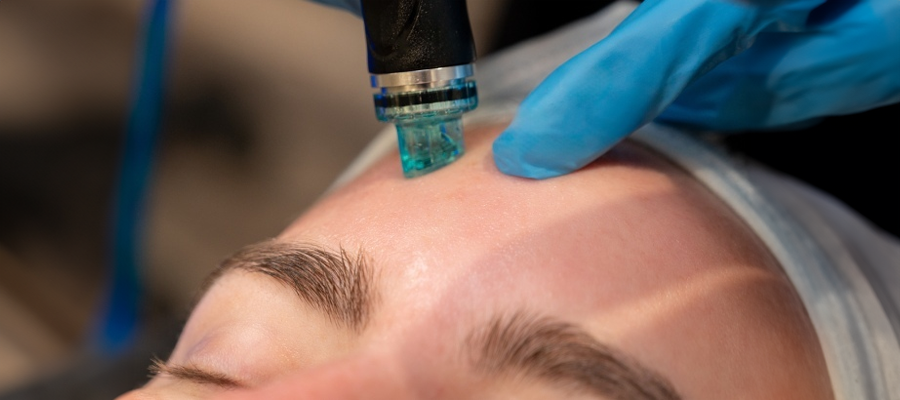
What is Hydrafacial?
It is an innovative and technological skin renewal method that stands out in the world of skin care. This application offers a multi-step care protocol consisting of different stages. It deeply purifies the skin by performing cleansing, peeling, purifying and moisturizing processes all together.
This method, which is applied using special vacuum-supported devices, provides effective results without causing irritation on the skin surface. This system, which combines both medical and cosmetic care, provides visible vitality and brightness in a short time. During the application, beneficial ingredients such as antioxidants, peptides and hyaluronic acid are simultaneously delivered to the skin.
What is Hydrafacial Used For?
It helps to restore the skin structure that has become dull and worn over time. The skin becomes smoother by gently removing dead skin. It also helps to cleanse pores, reduce blackhead formation and provide moisture balance.
It reduces skin tone inequality, improves the appearance of light spots and generally gives the skin a healthy glow. This application is also very useful for those who want to take precautions against the signs of aging. With regular applications, the skin gains a younger, tighter and more vibrant appearance.
Which areas can Hydrafacial be applied to?
Although it is usually applied to the face, it can also be used in areas where skin problems are common, such as the neck, décolleté and back. Particularly effective results are obtained in areas where oiliness and blackhead problems are intense, such as the T-zone.
It can also be applied to sensitive areas such as the eye area with appropriate heads. Regardless of skin type, it can be safely used in different areas as it has a wide range of effects. The goal is to improve skin quality and create a healthier tissue in each area of application.
What Should You Pay Attention to After Hydrafacial?
After the procedure, the skin becomes more sensitive, so heavy make-up and intense sunlight should be avoided for the first 24 hours. High-protection factor sunscreen should be used during the day, and the skin should be gently cleansed.
You can continue your skin care routine, but you should avoid acidic or peeling products for the first day after the procedure. Since your skin’s need for moisture may increase, it is important to drink plenty of water and use moisturizers regularly. All these steps increase the effect of the application and prolong its permanence.
How Many Hydrafacial Sessions Should Be Applied?
The number of applications may vary depending on the needs of the skin and the person’s expectations. In general, a noticeable vitality is achieved in the skin even in the first session. However, for permanent and deep results, a course of 4 to 6 sessions is generally recommended.
Sessions are usually applied at intervals of 2 to 4 weeks. During this period, the skin begins to renew itself and the effects become more noticeable after each procedure. When considered as routine care, once a month is sufficient to maintain skin health. The application plan should be determined specifically for the person after a skin analysis.
For what age is Hydrafacial Skin Care suitable?
This care method appeals to all age groups, starting from young people whose skin structure is starting to settle. It is generally considered suitable for individuals aged 18 and over. While it is good for acne, blackheads and oil balance problems at a young age, it offers effective results on moisture loss, skin tone inequality and fine lines at an older age.
It can be preferred as both preventive and restorative care with its structure that can be shaped according to seasonal skin needs. Maximum benefit can be achieved by customizing the device’s heads, application time and serums used according to skin type and age.
Is Hydrafacial Skin Care Permanent?
The brightness, moisture balance and purified appearance obtained after the application are maintained for a certain period of time. However, since the skin is constantly exposed to environmental factors, the effect may decrease over time. Therefore, the aim is to ensure that the appearance achieved with regular care sessions is to be sustainable.
The duration of permanence may vary depending on the person’s lifestyle, skin structure, products used and frequency of application. A home care routine supported by the right products helps maintain the effect of the procedure in the long term. Regular applications provide a general improvement in skin texture and increased resistance.
What skin types cannot have Hydrafacial?
Although it is compatible with most skin types, the application may be postponed in some special cases. If there are active skin infections, open wounds, serious dermatological disorders or intense acne formation, the procedure may not be appropriate. In addition, the procedure is not recommended during or immediately after intensive skin treatments such as roaccutane.
In special cases such as hypersensitivity, eczema or rosacea, the suitability of the application should only be determined by expert evaluation. For safe and effective results, skin analysis should be performed and personal health status should be taken into consideration.
Why Not Wash Your Face After Hydrafacial?
After the application, the skin is nourished with special serums and is intensely moisturized. Therefore, it is recommended not to wash the face for the first few hours. The active ingredients used during the procedure need time to be fully absorbed by the skin.
Washing your face immediately can reduce the effectiveness of serums and reduce the efficiency of the procedure. In addition, since the skin becomes temporarily more sensitive after the procedure, it is healthier to delay contact with water for at least a few hours. The results can be maintained longer if the skin is allowed to rest naturally the first night.
Does Hydrafacial Hurt?
There is no pain or serious discomfort during the application. The device’s vacuum technology gently cleans the skin, making the process comfortable. There may be a slight pulling or tickling sensation in some areas, but this feeling is quite tolerable.
There is usually no pain or ache after the procedure. Only a short-term redness may occur on very sensitive skin. Since these effects are temporary, you can return to your daily life immediately. Therefore, this application stands out as one of the most comfortable, effective and risk-free care options.
Can Hydrafacial Skin Care Be Done With Other Treatments?
The application can be combined with many medical and aesthetic treatments. It can be preferred as a supportive care especially before or after procedures such as botox, filler, laser or dermatherapy. Having the skin cleansed and purified can increase the effectiveness of other procedures.
When the application timing is planned correctly, a synergistic effect can be achieved when used together with different methods. However, since every skin is different, a combined treatment plan must be evaluated by a specialist. The intervals and order of the procedures to be performed are important in order to obtain maximum benefit.
Does Hydrafacial Damage the Skin?
When done with the right device, appropriate ingredients and by expert hands, it does not cause any harm. On the contrary, it strengthens the skin structure, maintains the moisture balance and gives a healthy appearance. The risk of irritation is extremely low because the skin is gently processed during the application.
However, procedures performed unconsciously or in unhygienic environments may cause sensitivity or reactions on the skin. Therefore, expert experience and the quality of the products used should be taken into consideration before having the procedure performed. When performed under the right conditions, this method offers a safe and effective skin care option.
When Does Redness After Hydrafacial Go Away?
After the procedure, some skin types may experience slight redness. This is usually due to the vacuum effect and increased blood circulation in the skin. For most people, redness disappears on its own within a few hours. For very sensitive skin, this period may extend up to 24 hours.
A slight pinkness on the face indicates that the skin is cleansed and stimulated. These temporary effects are usually not at a level that will affect daily life. When the skin is supported with calming creams and protected from the sun, the redness subsides more quickly.
Does Hydrafacial Tighten Pores?
The deep cleansing process performed during the application helps to remove oil and dirt from the pores. Cleansed pores gain a tighter appearance over time. At the same time, the serums and moisturizing ingredients used during the application increase the elasticity of the skin.
As a result of sessions at regular intervals, a reduction in the appearance of pores and a significant improvement in skin texture can be observed. This effect is especially striking in oily and combination skin. The skin becomes smoother and has a more homogeneous structure.
Will My Daily Life Be Affected After Hydrafacial Skin Care?
Since the procedure is quite comfortable, it is possible to return to daily life immediately afterwards. Since it does not require pain, swelling or recovery time, it does not disrupt social or professional life. It is a fast and effective care option, especially for people with a busy schedule.
It is recommended not to wear make-up and not to go out in direct sunlight for a few hours immediately after the application. Apart from this, you can continue with a light care routine. The feeling of brightness and cleanliness on the skin makes you feel more confident in daily life.
Hydrafacial Prices 2025
Pricing may vary depending on the city where the application is made, the service quality offered by the clinic, the device technology used and the serum content. In addition, the number of sessions taken and the procedures included in the package are among the main factors affecting the prices.
As of 2025, average prices for this application will be kept at an affordable level in professional skin care centers, while more economical options can be offered with personalized packages. Some clinics provide advantageous solutions with combined procedures or subscription systems.
When doing price research, not only numerical comparisons but also the experience of the expert who will perform the application, the quality of the products used and hygiene standards should be taken into consideration.