


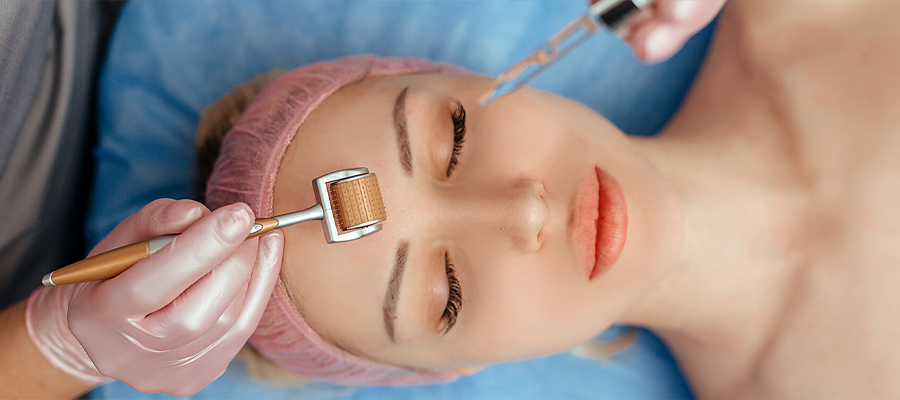
What is Dermatherapy?
It is one of the effective care methods developed to support and rejuvenate skin health. During the application, micro needles are used to reach the lower layers of the skin and thus the skin starts to renew itself. This method, which has been frequently preferred in the world of aesthetics in recent years, attracts attention with its natural and effective results.
It provides more comprehensive care by affecting not only the skin surface but also the deep layers of the skin. Visible brightness, tightening and vitality are targeted. This method is a modern approach that bridges the gap between medical skin care and aesthetic treatment.
How is Dermatherapy Applied?
First, a plan is made according to the skin type and needs. Before the procedure, the area is cleaned and optionally local anesthetic cream is applied. Then, controlled micro channels are opened on the skin with the help of a specially designed micro-needle device.
During this process, the skin receives small stimulations and begins to increase collagen and elastin production. During the application, supportive ingredients such as serum, vitamins or hyaluronic acid can also be injected into the skin. The entire process takes approximately 30 to 45 minutes and then a soothing treatment is applied to the skin.
Why is Dermatherapy Performed?
It is applied to trigger the natural renewal process on skin that becomes dull, loses its elasticity and looks tired over time. It is preferred to even out skin tone, reduce fine lines, and lighten blemishes and scars.
Effective results can also be obtained for individuals who have suffered sun damage, are dealing with acne scars, or want to tighten their pores. Self-repairing skin quickly gains a more vibrant and healthy appearance. This makes the person feel better both physically and psychologically.
Who Can Get Dermatherapy?
It is suitable for anyone who wants to improve their overall skin health, delay signs of aging or alleviate existing skin problems. It can be safely preferred by both women and men. It is recommended for individuals over the age of 18.
People with active skin infections, open wounds or serious dermatological conditions should be evaluated by a doctor before the procedure. During pregnancy, the procedure is usually postponed. In short, anyone who has a healthy skin structure and wants to receive care can benefit from this method.
Dermatherapy Advantages
Its biggest advantages include not requiring surgery, having a short recovery time and supporting natural collagen production. The change in the skin after the application increases over time and its effect can be maintained for a long time.
At the same time, the fact that it can be applied with personalized content makes the process versatile. It is an ideal option for those looking for an effective but natural method in skin care. After the process, a healthier and brighter look is achieved even without wearing makeup.
Dermatherapy Harms
Although the procedure is generally safe, some temporary side effects may be observed. Effects such as slight redness, tenderness or edema disappear within a few hours or days. In rare cases, there may be a risk of infection; therefore, it is important to pay attention to the rules of aftercare after the procedure.
Behaviors such as using products that irritate the skin, direct exposure to the sun, or rubbing the treated area can negatively affect this process. The application must be done under expert supervision and in sterile environments. In this way, possible complications are minimized.
Before Dermatherapy
Before starting the treatment, the skin should be analyzed in detail. This analysis provides a roadmap for which ingredients to use and what needs the skin has. It is important that the skin is completely free of makeup, dirt and oil before the treatment.
Some skin care products, especially acidic serums or peeling products, should be stopped a few days before the procedure. This precaution prevents the skin from becoming more sensitive and ensures that the procedure is safer. On the day of the procedure, perfume, cream or any cosmetic product should not be applied to the skin and should be left completely clean.
After Dermatherapy
After the application, temporary redness, slight swelling or tenderness may occur on the skin. These effects usually disappear within a few hours. For the first 24 hours, the skin should be kept clean, make-up should not be applied and direct sunlight should be avoided.
Caring with moisturizing and soothing products supports the healing process. Sunscreen should not be neglected for at least a week. Since the skin starts to renew itself during this process, it is important to take extra care. Drinking plenty of water and eating a healthy diet also contribute to the skin’s recovery.
Dermatherapy Prices 2025
Current prices may vary depending on the location of the clinic where the treatment will be performed, the quality of the products used, the experience of the specialist performing the procedure, and the number of sessions. In addition, the size of the area where the treatment is applied and the combinations the person needs are among the factors that affect the prices.
Despite the general increase in the medical aesthetics sector by 2025, some clinics may offer more affordable options with seasonal campaigns or package applications. Centers where quality and hygiene standards are at the forefront should be preferred. Affordable but low-quality services can lead to bigger problems in the long run.
Does Dermatherapy Rejuvenate the Skin?
During the application process, the skin’s natural regeneration mechanism is stimulated. The channels opened by micro needles put the skin into a repair process. During this process, collagen and elastin production increases, and the skin becomes tighter, brighter and more vibrant.
Dead cells on the surface give way to fresh tissue over time. Tone inequalities, fine lines and acne scars lighten over time. Especially when applied in regular sessions, a visible improvement is achieved in the skin structure. It offers a natural rejuvenation effect and makes the skin healthier.
Does Dermatherapy Remove Acne Scars?
Acne scars that form on the skin over time are a source of aesthetic discomfort for many people. During the application, the skin’s self-renewal mechanism is activated with the help of micro needles. This process helps the scars fade over time and the skin tone becomes more even.
Effective results can be achieved especially for light and medium scars. For deep acne scars, several sessions may be required. Thanks to the procedures performed at regular intervals, the skin texture becomes smoother and the visibility of the scars decreases significantly.
What Kind of Changes Occur in the Skin After Dermatherapy?
The first changes noticed on the skin after the procedure include a brighter and more vibrant appearance. In the first days, slight redness and sensitivity may be observed, but this is temporary. Over time, the skin tone becomes even, fine lines soften and pores become tighter.
With the increase in collagen production, the skin regains its elasticity and its overall texture becomes healthier. In the long term, the skin exhibits a rejuvenated, renewed and smoother appearance. The results are observed more clearly, especially within 3-4 weeks.
How Many Dermatherapy Sessions Should Be Performed?
The number of sessions may vary depending on the needs of the skin and the person’s goals. An application plan of 3 to 6 sessions is generally recommended. It is recommended to allow a recovery period of 3 to 4 weeks between sessions.
This number can be increased when there are more significant problems. For individuals with mild skin problems, even 1-2 sessions may be sufficient. The application plan should be prepared specifically for the individual and must be determined as a result of an expert evaluation.
Does Dermatherapy Provide Permanent Results?
The effect of the application may last for a long time, but it is not completely permanent. Since the skin continues to age and is exposed to external factors, renewal procedures may be required over time. However, with regular care and protective applications, the improvement achieved can be maintained for many years.
After the initial treatment protocol is completed, a support session once a year will help the skin maintain its healthy appearance. In this way, the fresh, youthful appearance achieved after the procedure can be maintained for a long time.
Is Dermatherapy Painful?
There may be a slight discomfort during the procedure, but there is no unbearable pain. Before the procedure, the skin is numbed using anesthetic creams to make the procedure more comfortable.
Since the needles are very small in size, they do not cause serious pain on the skin. Sensitivity may vary from person to person, but in general the procedure is quite tolerable.
How Should Skin Care Be Done After Dermatherapy?
The skin requires special attention in the first few days. It should be cleaned gently with mild cleansers and intensive moisturizing products should be used. The use of sunscreen should definitely not be neglected in the post-procedure period.
Peeling products, acidic serums and products that may irritate the skin should be avoided for at least a week. Drinking plenty of water, a healthy diet and regular moisturizing support the process. It is recommended to prefer natural care products until the skin is completely healed.
How Long Does the Dermatherapy Procedure Take?
When the preparation and procedure time are considered together, it is completed in an average of 30 to 60 minutes. The time may be slightly longer depending on the skin type, the width of the area to be applied and the products to be used. First, the skin is cleaned and a local anesthetic cream is applied.
The procedure begins after the anesthetic effect begins. The application with micro needles is fast and controlled. At the end of the procedure, the skin is supported with a soothing mask or care serum. This entire process is planned according to the skin structure and shaped specifically for the person.
Can I Wear Make-up After Dermatherapy?
Temporary redness and sensitivity may occur on the skin after the application. Therefore, it is recommended not to wear make-up for the first 24 hours. During this period when the skin enters the process of repairing itself, make-up products may irritate the skin or slow down the healing process due to the open pores.
The next day, when the skin is relaxed, makeup can be applied with light and breathable products. Application tools such as brushes or sponges should be clean and excessive pressure should not be applied to the skin. Thorough cleaning of the skin after makeup also supports the healing process.
Is Dermatherapy Good for Skin Blemishes?
It can have positive effects on sun spots, acne scars and skin tone inequalities that occur over time. The controlled damage created by micro needles activates the skin’s own repair mechanism. During this process, collagen and elastin production increases and skin tone begins to balance.
When applied in regular sessions, visible lightening of stains can be achieved. Especially applications with supportive serums increase the success rate in stain treatment. Long-term planning may be required for deeper or permanent stains.
How Often Should Dermatherapy Be Performed?
Session intervals are usually determined between 3 and 4 weeks. This period is planned in accordance with the skin’s self-renewal cycle. While 2-3 sessions may be sufficient for mild problems, 4-6 sessions may be recommended for more pronounced skin problems.
After the initial protocol is completed, supporting it with preventive sessions 1-2 times a year will help preserve the results for a long time. The frequency of application must be determined by the specialist and should be shaped according to personal needs.
What Skin Products Should Be Used With Dermatherapy?
After the procedure, the skin becomes more open to care products. The ingredients of the products used during this period are very important. Products with high moisturizing properties, soothing effects and without perfume should be preferred. Serums containing hyaluronic acid, vitamin B5 and peptides in particular accelerate the skin’s repair process.
At the same time, care should be taken to use sunscreen. During the day, a sunscreen with a minimum SPF 30 protects the skin from external factors. Acidic products such as AHA/BHA, retinol or intense chemical content should not be used for the first week after the procedure. Once the skin has calmed down, the routine can be gradually returned to its previous state.
Is Redness and Sensitivity Normal After Dermatherapy?
The redness and slight burning sensation that occur immediately after the procedure are quite natural. Since the application with microneedles creates a controlled stimulation on the skin, this reaction is part of the skin’s natural defense mechanism. These effects usually disappear within 24 to 48 hours.
This process may take a little longer for some skin types, but it is not a cause for concern. Cold compresses, soothing masks and appropriate moisturizers will make this process more comfortable. Since the skin will be quite sensitive during this period, it is necessary to stay away from harsh touches and chemical products.
When Does Dermatherapy Show Its Effect?
The first changes are usually noticeable within a few days. The skin begins to look brighter, more vibrant and moisturized. However, the real effects become clear within 2 to 4 weeks, depending on the skin’s own renewal process. During this process, collagen production is accelerated, strengthening the skin structure and long-term improvements are observed.
Results such as the reduction of the appearance of spots, tightening of pores or reduction of fine lines appear over time. These effects become more apparent with a few sessions. With patience and regular care support, it is possible to get the maximum benefit from the procedure.
Support Your Skin, Feel the Change and Live It
Choosing the right product and care routine makes a big difference for a healthier, more balanced and radiant skin. Every step taken after the procedure supports the renewal process of your skin. Are you ready to discover the effect of conscious care?
Is Dermatherapy Procedure Safe?
The application is considered quite safe when done by professional hands and under sterile conditions. Since it is among the medical skin care methods, the knowledge and experience of the specialist performing the procedure is of great importance. The risk of complications is extremely low in applications performed with the right device and appropriate products.
The fact that it can be planned for every skin type also makes the process more reliable. Of course, temporary redness, slight swelling or sensitivity may occur on some sensitive skins, but these effects disappear in a short time. After the necessary care, the skin recovers quickly and the positive effects of the process begin to show themselves.
Are Dermatherapy and Botox the Same Thing?
Although both procedures are applied for aesthetic purposes, their mechanisms of operation are completely different. One provides renewal by encouraging collagen production through micro-needles on the skin surface. The other temporarily stops movements by affecting the facial muscles and reduces wrinkles.
While Botox is particularly effective on dynamic lines, dermatherapy aims to improve the overall health and quality of skin tissue. Therefore, they are not the same, but in some cases, more comprehensive results can be achieved by using them together. Which one is appropriate should be decided by expert evaluation.
Can Dermatherapy Be Done At Home?
Recently, it is possible to find home-type devices designed for this process on the market. However, unlike professional applications, these devices usually provide a more superficial effect. In addition, failure to provide hygiene conditions, incorrect application techniques and insufficient knowledge can lead to skin irritation or infection.
Home treatments can be used for light care, but should not be expected to yield effective results for serious skin problems. For issues such as deep rejuvenation and spot treatment, support from a specialist should definitely be sought. In order not to risk skin health, home treatments should be approached with caution.